









SO YOU HAVE A BULGING OR HERNIATED DISC?
Dr. Percell Sanders | The Liquidity Journal | Summer 2025
WHAT YOU SHOULD KNOW IF YOU ARE DIAGNOSED WITH A BULGING OR HERNIATED DISC
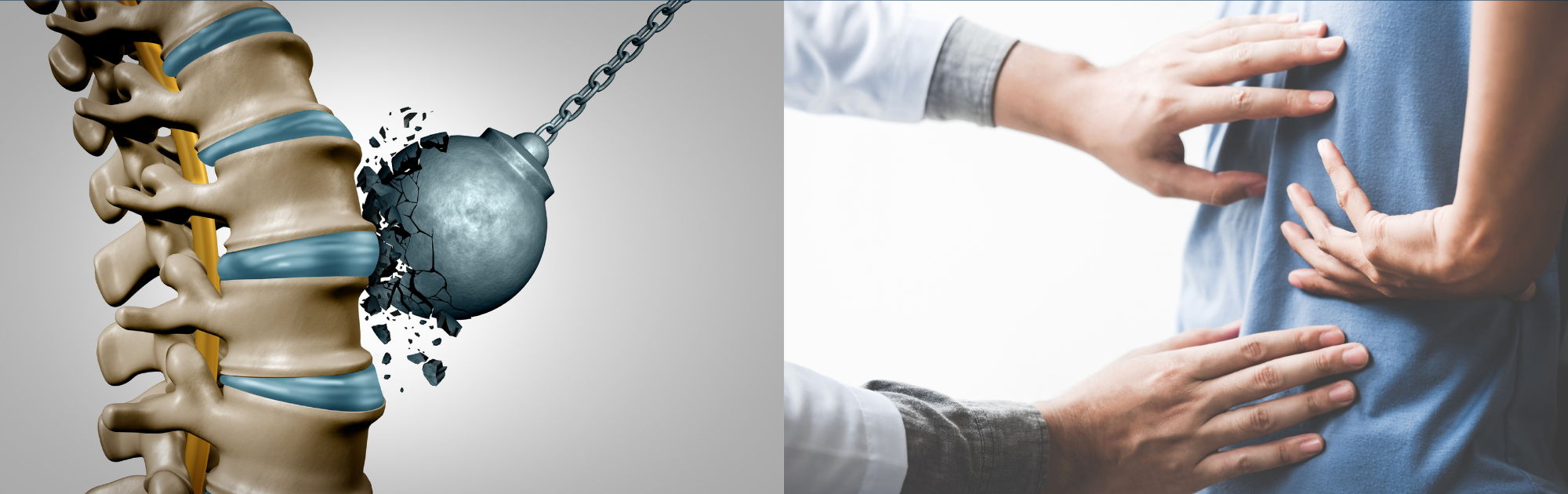
WHAT IS A BULGING OR HERNIATED DISC?
To better understand the issues of a disc, first we must understand what a disc is. The spine is made up of primarily 26 bones (vertebrae) stacked on top of one another. Between each of these bones lies an intervertebral disc, which acts as a “shock absorber” in the spinal column. With these discs we are afforded the ability to move the way we move our bodies daily; walking, lifting, bending over to pick up a baby, jumping up and down to shoot a basketball, the flexibility to tie our own shoes just to name a few. All these activities are made possible because we have the flexibility to perform them thanks to the discs in our spine.
Discs are made up of approximately 60-70%water. They are also one of the few structures in the body with limited to no blood supply. This makes it vitally important to always stay hydrated to assure the discs have the “nutrients” needed to thrive and survive. Remember, movement is important.
But what happens when someone is diagnosed with a bulging or herniated disc? What is it? Can it be cured? Will someone be in pain for the rest of their lives? How can someone acquire a bulging or herniated disc?
All of these are commonly asked questions, and we are here to answer them for you. First, what causes damage to a disc? The answer to this is very broad. Many factors can play into an injured or degenerative disc. Age, for one, can play a major factor. As we age, the jellylike substance (discs) begin to wear and tear, sort of like the tires on your car, the more you ride around on them the more worn out they become. Another factor that plays into disc wear and tear is trauma. Car accidents, slip and falls, jumping from high places, just to name a few can cause major trauma to our discs leaving us to deal with the consequences later in life if we do not seek the proper treatment for them in time.
So, is it a herniated disc or just the everyday back pain? The answer to this question lies in where the pain may be located. Although herniated discs may occur in any part of the spine, they commonly appear in the low back (lumbar spine) and can also appear more often in the neck region (cervical spine). The pain may spread from the low back area to the buttocks region, the thigh area, the calves, and/or even the feet and toes. In the neck area, you could feel the pain spread to the arms, the hands, or even the fingers.

BULGING DISC
A bulging disc doesn't always affect the entire perimeter of a disc, but at least a quarter if not half of the disc's circumference is usually affected. Only the outer layer of tough cartilage is involved.

HERNIATED DISC
A herniated disc results when a tear in the tough outer layer of cartilage allows some of the softer inner cartilage to protrude out of the disc. Herniated discs are also called ruptured discs or slipped discs.
DISCS MADE SIMPLE
There are several symptoms that are commonly expected when diagnosed with a bulging/herniated disc. While the proceeding list contains several symptoms that can be experienced with a disc injury, not all are guaranteed to be a symptom for you. No one disc injury is created equally, so that means what one person may experience with a herniated disc, another person may have a completely different experience. Here’s a list of possible symptoms:
Tingling, aching, or burning sensations in the area
Pain with walking
Pain with prolong sitting and/or standing
Pain and numbness which is more commonly on one side of body
Unexplained muscle weakness
Pain that extends to arms & hands and/or legs & feet
Pain that worsens with certain movements
Paint that worsens at night

How are discs diagnosed?
Discs are mainly diagnosed, not only through physical and neurological examinations, but primarily by imaging. We find it of upmost importance to do an MRI (Magnetic Resonance Imaging) to determine the type and severity of disc damage there may be in the spine. MRI’s will allow the doctor to determine where and how severe the disc bulge/herniation is.
100% FACT
Overweight individuals can be at an increased risk for a slipped disc. Their discs must support additional weight which can become an ongoing issue for the low back later in life. Weak muscles and a sedentary lifestyle may contribute to the development of a slipped disc.
HOW CAN WE HELP YOU?
When suffering from a bulging/herniated disc it is imperative to seek treatment as soon as possible. If left untreated, a disc injury can lead to permanent nerve damage, and in rare cases, cause cauda equina symptoms which affect the bowel and bladder control. It can also lead to saddle anesthesia which causes a loss of sensation to the inner thighs, back of the legs and around the rectum.
We want to make sure you are as prepared as possible to deal with a problem such as a bulging and/or herniated disc. We will evaluate you by performing a physical and neurological exam to locate the source of your pain. This will include evaluating the function of your nerve and muscle strength, and if you feel pain when moving a certain way or touching a particular area.

We will come up with a treatment plan that is specific to you and your needs. While many may seek surgical intervention as a first option to treating pain and discomfort due to a disc bulge/herniation, it is our goal to address and treat your problem before you feel the need to consider any surgical options.
Addressing, not only your pain and discomfort, but the cause of the pain and discomfort is our top priority.
For more information, contact 904.822.4262 or [email protected].

SOURCES
2. https://www.healthline.com/health/herniated-disk#causes
3. https://www.webmd.com/pain-management/do-i-have-a-herniated-disk#1