





The Moment The Room Got Quiet: Why “Education First” Is The Only Real Fix For Claims Chaos
Randolph Love III | The Liquidity Journal | Q1 2026
The first thing I noticed was not the stage lighting or the slide deck.
It was the posture of the audience.
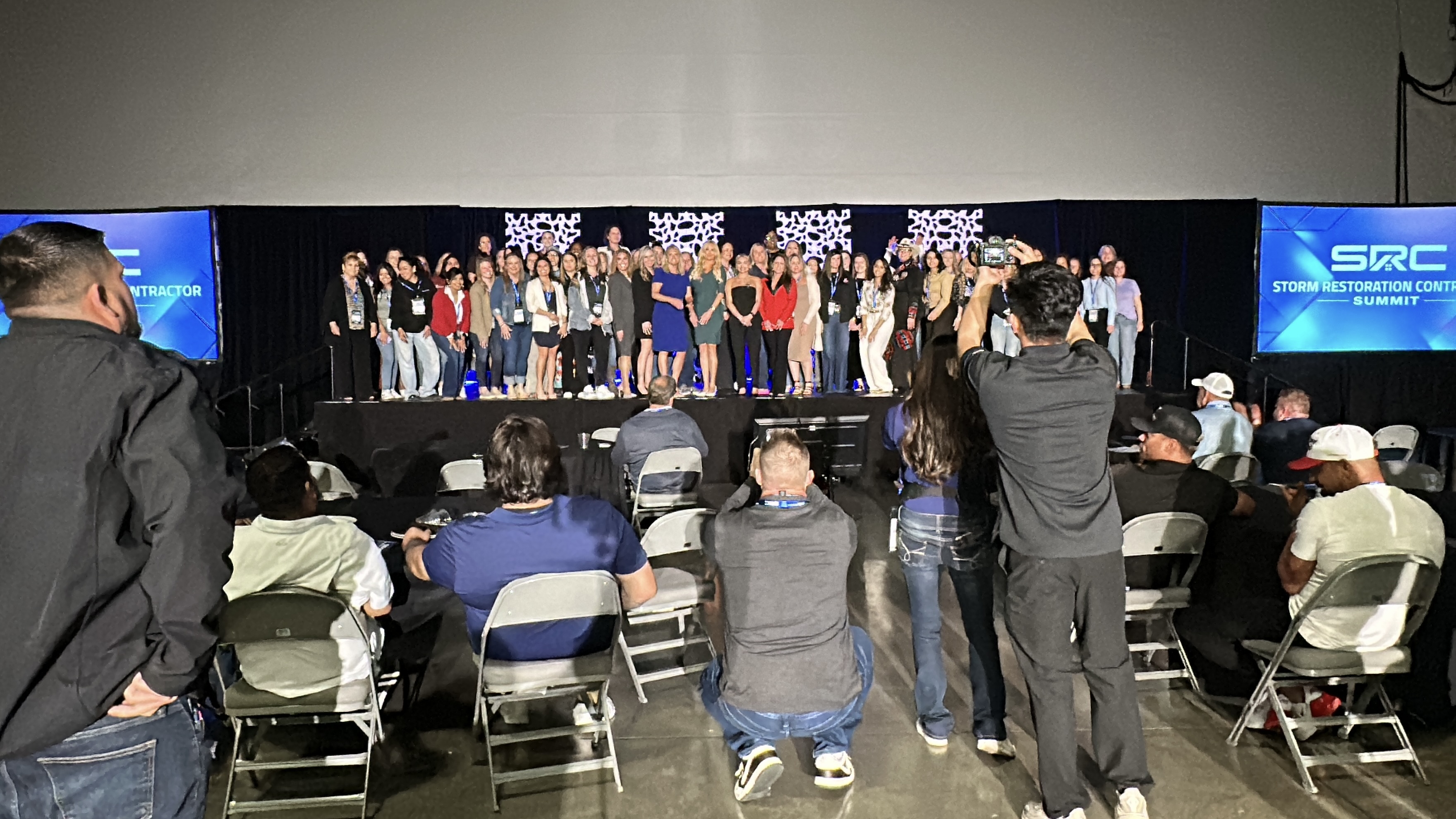
At the SRC Summit in Irving, Texas, you could feel the difference between a room that came to be entertained and a room that came to sharpen tools. Public adjusters, restoration contractors, and attorneys were not looking for motivation. They were looking for leverage. The kind that turns a stalled claim into a closed claim, and turns a “no” into a decision that can be challenged.
That is exactly what this session delivered.
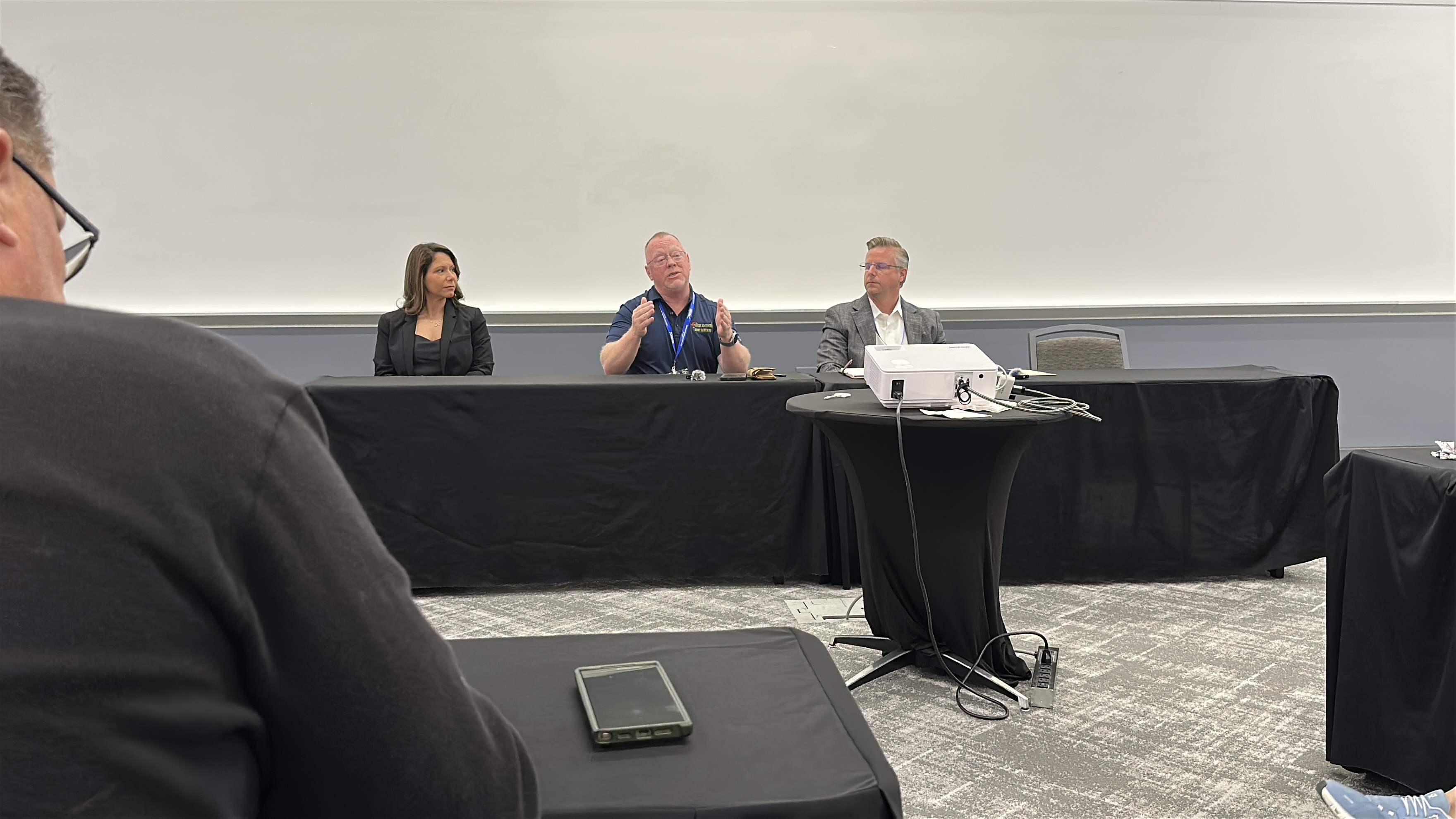
Attorney Shaun Hodge took the mic alongside public insurance adjusters Cal Spoon and Melanie Spoon, and within minutes the talk stopped sounding like another industry rant and started sounding like a blueprint.
Not theory. Process. Sequence. Execution.
A series of actions that, when performed correctly, change the power dynamics between policyholder and carrier.
The hook was simple, and it landed hard: If associations want to change the industry, education cannot be an afterthought. It must be the mandate.
And if the people in the room want change, they cannot outsource responsibility.
The Most Uncomfortable Truth in the Room
Cal opened with a statement that cut through the usual noise:
If you do not know how to complete a proper proof of loss, then you need to be taught how to complete a proper proof of loss.
Not “go figure it out.”
Not “learn as you go.”
Taught.
Then he went deeper.
Many of the loudest voices in the industry are not active practitioners. They post loudly. They market loudly. But they are not carrying files across the finish line. Cal positioned himself, Melanie, and Shaun differently. Between them, they represent roughly 55 to 60 years in the field. Their reputations are attached to outcomes. Their names sit on files. And they take claims under one condition: If they take it, they take it through.
In a business littered with half-handled files and open loops, through is rare. Liquidity insight: In claims, unfinished work is liability. Completion is leverage.
Contracts Are Not Confusing. We Make Them Confusing.
One of the repeated refrains was this:
The policy contract is not as confusing as people think.
It becomes confusing because:
Carriers benefit from gray areas
Professionals fail to invest in education
Practitioners operate without separating black, white, and gray
The contract and statute tell you what is black and white. When you do not know how to read and apply them, you operate in gray. And gray is expensive.
The conversation then pivoted to what felt like the center of gravity of the entire session.
The “We Pay” Section: The Trigger Most Never Pull
The room was asked a direct question:
How many of you are familiar with the “We Pay” section of the policy?
Some hands went up. Not enough.
That section is where the carrier’s contractual obligation to pay becomes enforceable, but only after the insured meets the conditions. If those conditions are not met, it becomes what Cal called the “gimme section.” The carrier can give what they choose to give because you have not triggered enforceable duties. Then came the most repeated technical term of the session:
SPOL. Sworn Proof of Loss.
He called it the carrier’s kryptonite because it triggers movement and forces decision. It pulls a file out of limbo and into a timeline with consequences.
The first requirement in the “We Pay” section for obligation to attach?
Receipt of the sworn proof of loss.
No SPOL. No trigger.
No trigger. No pressure.
Liquidity principle: Obligation without activation is theater.
The Metaphor That Shifted the Room
Without a compliant SPOL, Cal said, you are holding an empty revolver. You may look serious, but there is no ammunition.
A compliant SPOL package is different.
It signals understanding.
It signals process.
It signals threat awareness.
Carriers perform risk management for a living. They constantly assess exposure. A compliant SPOL changes their threat assessment.
And in the claims ecosystem, threat assessment drives behavior.
Why “Bad Faith” Is Loud But Rare
The room grew quieter here.
How many had personally witnessed a bad faith verdict?
Very few hands.
Yet the term gets thrown around daily.
The disconnect exists because bad faith requires setup:
Compliance
Documentation
Policy provision satisfaction
Proper triggering of duties
Most policies contain a “no suit” clause requiring all provisions be met before filing suit. If the file never properly triggered contractual duties, legal leverage weakens.
The carrier’s defense becomes simple:
You never fully complied.
Leverage insight: Legal power is procedural before it is emotional.
The 60-Day Pre-Suit Window: What It Actually Means
Shaun Hodge added precision.
In many states, attorneys must provide a pre-suit notice period, often 60 days. What frequently happens during that time? The attorney performs the duties after loss for the first time because compliance was never completed.
His line was direct: Attorneys should not have to become high-priced adjusters.
He used a relay race analogy.
The adjuster runs their lap.
Hands off the baton.
Short overlap.
Not two runners sprinting the entire race together.
Hand off too early and the attorney must build the file.
Hand off too late and time decays the claim.
Homes sell.
Weather adds damage.
People lose documents.
Momentum disappears.
For many residential claims, 60 to 90 days should be sufficient to execute a disciplined adjusting process. Speed without process is chaos. Delay without discipline is decay.
The Proof of Loss Is Not a Form. It Is a File.
A recurring industry question surfaced:
Where is the proof of loss form in the policy?
The answer was blunt:
You are looking for a single page that does not exist.
The proof of loss is a package.
Often 20 to 120 pages plus the sworn page.
The policy’s duties after loss outline exactly what must be included, including a detailed, itemized estimate. Not a lump sum. Not summary totals. A scope that can be tested and defended.
Once you accept it is a package, you stop filing paperwork and start building a case.
Liquidity translation: A thin file invites negotiation. A built file invites resolution.
Documentation Is Not Busywork
The second center of gravity in the session was documentation as a business record.
They emphasized the difference between:
“The adjuster told me it was covered.”
A contemporaneous checklist completed onsite in real time.
Follow-up emails memorializing coverage positions.
One of the sharpest takeaways:
A non-response is a response.
If you email confirmation of coverage and the carrier does not correct the record, documentation layers. This is not aggression. It is discipline.
Melanie emphasized that office process drives 80 percent of file defensibility:
Intake
Policy review
Notices
Timeline tracking
Record retention
Structured follow-up
Field expertise without administrative structure produces fragile files.
Cal summarized it in a line that felt like doctrine:
Prepare every file like it is going to war. Hope for peace.
The Float: Why Delay Is Not Neutral
The economics were addressed directly.
Cal referenced Warren Buffett and the concept of insurance float, then tied it to claims behavior.
The longer funds remain unpaid, the more carriers benefit from capital positioning. This is not conspiracy. It is financial structure. Therefore the goal becomes binary:
Pay and close. Or pay partial and move toward litigation. But eliminate the endless middle where nothing moves except the carrier’s advantage. Liquidity insight: Time is not neutral. Time is capital.
The Bottom Line
I entered expecting strong opinions and legal war stories. What I observed instead was a systematic case for process discipline. Claims culture does not change through frustration or public commentary.
It changes through:
Standardized education
Contract fluency
Statutory awareness
Procedural compliance
Structured documentation
When the file is built correctly, disputes stop being about personalities.
They become about:
Contract.
Timeline.
Decision.
That is the only arena where this industry improves.
Three Takeaways Worth Carrying Forward
1. Compliance Is Leverage
A compliant SPOL package changes risk assessment and forces movement.
2. Documentation Is the Case
Business records created in real time defeat memory and narrative.
3. Timing Determines Power
Attorneys should bring the law to a ripe file, not build the file from scratch.
At the SRC Summit, I watched professionals lean forward not because they were entertained, but because they were being handed control.
And in the claims business, control is the difference between open files that bleed time and closed files that pay what is owed.


